
The Nigerian Shippers’ Council has announced that it saved port users approximately ₦348.8 million and resolved 19 trade-related disputes during the first quarter of the year, reinforcing its role in protecting stakeholders within Nigeria’s maritime and port sector.
According to the council, the savings were achieved through interventions involving excessive charges, unfair trade practices, and complaints brought forward by importers, exporters, shipping agents, and other port users operating within the country’s maritime industry.
The development highlights ongoing efforts by the council to improve efficiency, transparency, and accountability within Nigeria’s port system, which remains a critical gateway for international trade and economic activity.
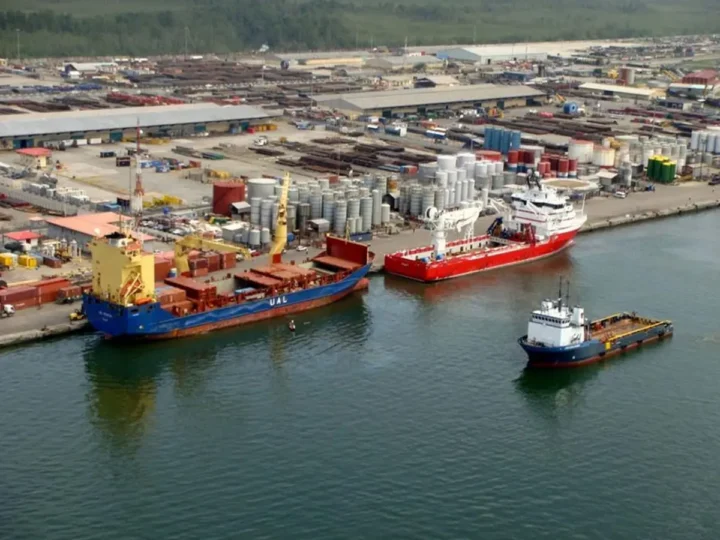
The Nigerian Shippers’ Council functions as the economic regulator of Nigerian ports and is responsible for protecting the interests of cargo owners, shippers, and other stakeholders in the maritime value chain. Its responsibilities include dispute resolution, monitoring port charges, and advocating for fair business practices within the shipping and logistics sector.
Industry analysts note that port-related disputes often arise from issues such as demurrage charges, cargo handling disagreements, storage fees, delays in cargo clearance, and disagreements involving shipping companies, terminal operators, and freight agents.
The settlement of 19 disputes during the quarter is seen as part of broader efforts to reduce operational friction within the maritime sector and improve confidence among port users. Efficient dispute resolution mechanisms are considered important for maintaining smooth trade operations and reducing the cost of doing business.
Nigeria’s ports play a major role in supporting the national economy by facilitating imports, exports, and regional trade. The maritime sector contributes significantly to customs revenue generation, industrial supply chains, and commercial activity across multiple sectors.
Experts say inefficiencies at ports can increase logistics costs, delay cargo movement, and affect the competitiveness of businesses relying on imported raw materials or export opportunities. Regulatory interventions aimed at reducing unnecessary charges are therefore considered essential for improving trade efficiency.
The savings of ₦348.8 million reportedly resulted from mediation efforts and regulatory actions that prevented port users from paying disputed or excessive fees. Such interventions help reduce financial pressure on businesses already facing rising operating costs due to inflation, exchange rate fluctuations, and logistics challenges.
The Nigerian port environment has historically been affected by issues such as congestion, bureaucratic bottlenecks, infrastructure limitations, and overlapping regulatory processes. Stakeholders have consistently called for reforms to improve operational efficiency and reduce delays.
The Federal Government has introduced several initiatives in recent years aimed at modernizing port operations, promoting automation, and improving trade facilitation. These efforts include digitization of cargo clearance processes, infrastructure upgrades, and reforms targeted at reducing port congestion.
Industry observers note that the role of the Nigerian Shippers’ Council has become increasingly important as Nigeria seeks to strengthen its position as a regional maritime and trade hub within West Africa.
Dispute resolution mechanisms within the maritime sector are particularly important because delays and unresolved conflicts can disrupt supply chains and increase business uncertainty. Fast and transparent mediation processes can improve trust between operators and port users.
The maritime industry also plays a strategic role in supporting Nigeria’s non-oil export ambitions. Efficient port operations are essential for exporters seeking to access regional and international markets competitively.
Analysts say reducing excessive port charges can help lower the overall cost of imports and exports, potentially benefiting manufacturers, traders, and consumers. High logistics costs have long been identified as a major challenge for businesses operating in Nigeria.
Shipping companies, terminal operators, customs agents, and freight forwarders all form part of the complex ecosystem regulated within the country’s port sector. Coordinating these stakeholders effectively remains essential for improving operational performance.
The African Continental Free Trade Area (AfCFTA) has also increased the urgency of improving port efficiency across African economies. Nigeria’s ability to benefit fully from regional trade integration will depend partly on the competitiveness and reliability of its maritime infrastructure.
Stakeholders have continued to advocate deeper reforms in areas such as customs procedures, cargo scanning systems, port access roads, and digitalization of maritime operations. Infrastructure deficiencies around major ports, particularly in Lagos, continue to affect cargo movement and turnaround times.
The dispute resolution achievements reported for the first quarter may therefore be viewed as part of wider institutional efforts to improve the ease of doing business in Nigeria’s maritime sector.
Experts also emphasize the importance of collaboration between regulatory agencies, port operators, and private sector stakeholders in sustaining reforms and improving efficiency across the logistics chain.
The maritime industry remains a critical contributor to government revenue and economic activity. Efficient ports can support industrial growth, reduce supply chain disruptions, and enhance Nigeria’s attractiveness for investment and regional trade.
For now, the reported ₦348.8 million savings and settlement of 19 disputes by the Nigerian Shippers’ Council underscore continuing efforts to protect port users and improve operational transparency within Nigeria’s shipping and logistics sector.
Support InfoStride News' Credible Journalism: Only credible journalism can guarantee a fair, accountable and transparent society, including democracy and government. It involves a lot of efforts and money. We need your support. Click here to Donate