
Aviation stakeholders have called on the Federal Government to urgently intervene in the wake of rising aviation fuel prices, warning that the escalating cost of operations could significantly affect preparations for the 2026 Hajj pilgrimage. Industry operators say without immediate support measures, airlines and travel operators may struggle to transport thousands of Nigerian pilgrims to Saudi Arabia at affordable rates.
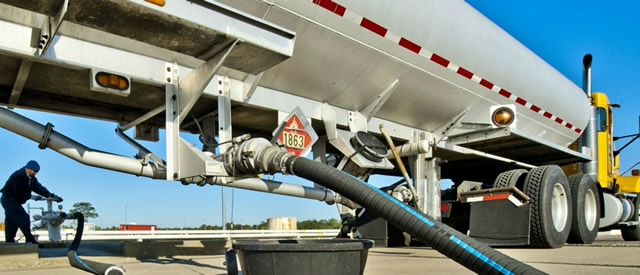
The concern comes amid continued increases in the price of Jet A1 aviation fuel, one of the most critical operational costs for airlines. Aviation fuel accounts for a substantial portion of airline expenditure, and fluctuations in its price directly impact ticket fares, flight operations, and overall profitability. Stakeholders argue that the current situation threatens the sustainability of Hajj operations, which involve large-scale logistics and coordinated international travel.
Representatives of airline operators, travel agencies, and aviation associations say the rising cost of fuel has placed enormous pressure on the sector. According to them, airlines involved in Hajj transportation may be forced to increase fares significantly if no intervention is provided, potentially making the pilgrimage unaffordable for many intending pilgrims.
Nigeria sends tens of thousands of Muslim pilgrims annually to Saudi Arabia for Hajj, making the operation one of the largest seasonal airlift exercises in the country. The process typically involves collaboration between airlines, state pilgrimage boards, and the National Hajj Commission of Nigeria (NAHCON), which coordinates Hajj activities and oversees travel arrangements.
Industry stakeholders note that aviation fuel prices have remained volatile due to global market conditions, foreign exchange challenges, and supply chain pressures. The depreciation of the naira has further compounded the issue, as aviation fuel transactions are heavily influenced by international pricing benchmarks and dollar-denominated costs.
The appeal for government intervention includes requests for fuel subsidies, tax reliefs, foreign exchange support, and other forms of financial assistance aimed at reducing operational costs for airlines. Operators argue that such measures could help stabilize ticket prices and ensure that the 2026 Hajj exercise proceeds smoothly.
The aviation sector has faced persistent challenges in recent years, including rising operational costs, limited access to foreign exchange, infrastructure deficits, and fluctuating passenger demand. Airlines have repeatedly warned that the combined effect of these pressures threatens the survival of operators already struggling with thin profit margins.
Stakeholders emphasize that Hajj operations require months of planning, including aircraft scheduling, route approvals, accommodation arrangements, and coordination with Saudi authorities. Any disruption caused by rising operational costs could affect the overall organization of the pilgrimage and create difficulties for intending pilgrims.
The Central Bank of Nigeria (CBN) has previously introduced measures aimed at improving foreign exchange liquidity for critical sectors, including aviation. However, airline operators continue to express concerns about access to foreign currency needed for aircraft maintenance, leasing obligations, and fuel procurement.
Experts within the aviation industry argue that the government’s support is necessary because Hajj transportation involves not only commercial considerations but also religious and national responsibilities. They contend that ensuring affordable transportation for pilgrims is important given the social and cultural significance of the pilgrimage.
The increase in aviation fuel prices has broader implications beyond Hajj operations. Domestic and international airlines operating in Nigeria have already adjusted fares upward in response to rising costs. Passengers across various travel segments have experienced higher ticket prices as airlines attempt to offset operational expenses.
Analysts note that fuel pricing remains one of the most significant challenges facing the global aviation industry. In many countries, governments provide targeted support or policy incentives to help airlines manage periods of extreme cost volatility. Nigerian operators argue that similar interventions are needed locally to prevent disruptions.
The Federal Government has consistently stated its commitment to supporting the aviation sector through infrastructure upgrades and policy reforms. Investments in airport modernization, safety systems, and regulatory improvements are ongoing. However, stakeholders say more direct financial measures may be required in the short term to address the immediate fuel crisis.
Another issue raised by operators is the potential impact on competition and service quality. Smaller airlines with limited financial reserves may struggle to participate in Hajj operations if fuel costs remain elevated. This could reduce capacity and place additional pressure on larger carriers.
Travel agencies and pilgrimage organizers also fear that rising transportation costs could discourage participation in the 2026 Hajj exercise. Many intending pilgrims save for years to undertake the pilgrimage, and sharp increases in travel expenses could place the journey beyond the reach of lower-income participants.
Industry observers believe that a collaborative approach involving government agencies, airlines, fuel suppliers, and financial institutions will be necessary to address the challenge effectively. Long-term solutions may include improving local refining capacity, enhancing foreign exchange stability, and developing more sustainable aviation fuel supply chains.
Nigeria’s growing local refining efforts, particularly with increased domestic petroleum processing capacity, are expected to eventually improve fuel availability. However, experts caution that the benefits may take time to fully materialize within the aviation sector.
As preparations for the 2026 Hajj gradually intensify, stakeholders say early intervention is critical to avoid last-minute disruptions. Timely policy decisions could help airlines plan effectively, maintain stable pricing structures, and ensure seamless transportation for pilgrims.
For now, the aviation industry continues to urge the Federal Government to provide targeted assistance capable of cushioning the impact of rising fuel costs. The outcome of these appeals may significantly influence the affordability and smooth execution of Nigeria’s 2026 Hajj operations.
Support InfoStride News' Credible Journalism: Only credible journalism can guarantee a fair, accountable and transparent society, including democracy and government. It involves a lot of efforts and money. We need your support. Click here to Donate